Category: Cannabis Insurance Resources

  • Insurance for Massachusetts Cannabis Landlords: What Every Property Owner Should Know Before Leasing to a Cannabis Tenant

    Insurance for Massachusetts Cannabis Landlords: What Every Property Owner Should Know Before Leasing to a Cannabis Tenant

    If you’re considering leasing commercial property to a licensed cannabis business in Massachusetts, insurance deserves careful attention long before the lease is signed.

    Many property owners assume their existing commercial building insurance will automatically continue once a cannabis tenant moves in. In reality, leasing to a cannabis operator can affect underwriting, available insurance markets, policy terms, and even whether your current carrier is willing to continue coverage.

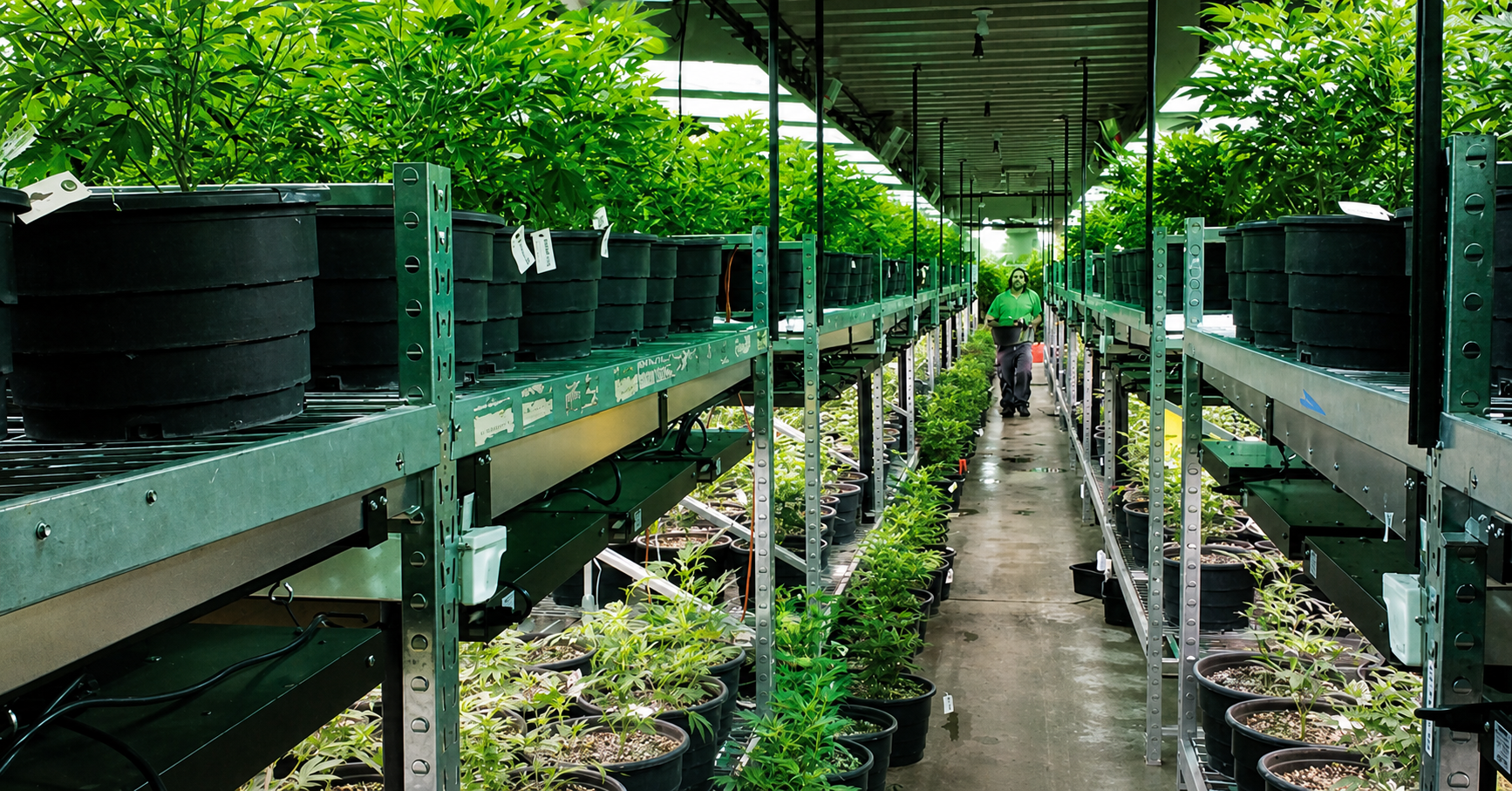
    Whether you’re leasing to a retail dispensary, cultivation facility, manufacturer, testing laboratory, transporter, or delivery operator, understanding your insurance options can help protect one of your largest investments.

    At ShieldPath Insurance Group, we help Massachusetts property owners evaluate insurance solutions for buildings leased to cannabis businesses and work with carriers familiar with this specialized market.

    Does Leasing to a Cannabis Tenant Affect My Insurance?

    Often, yes.

    Many traditional commercial property insurers either:

    • Decline properties leased to cannabis businesses;
    • Restrict certain types of cannabis operations; or
    • Require additional underwriting before offering coverage.

    For that reason, landlords should notify their insurance professional before signing a lease with a cannabis tenant. Waiting until after the lease is executed—or worse, after a claim occurs—can create unnecessary complications.

    Can I Keep My Existing Commercial Property Policy?

    Sometimes.

    If your current insurer is comfortable with cannabis occupancy, your existing policy may continue with little or no change.

    However, many property owners ultimately obtain coverage through specialty insurance markets that regularly insure buildings occupied by regulated cannabis businesses. Every carrier has different underwriting guidelines, so it’s important to evaluate your options before assuming your current policy will remain in place.

    What Type of Insurance Does a Cannabis Landlord Need?

    While every property is different, landlords commonly consider:

    Commercial Property Insurance

    Property insurance helps protect the building itself against covered causes of loss.

    Coverage may include:

    • The building
    • Permanent fixtures
    • Building systems
    • Certain landlord-owned improvements
    • Losses caused by covered perils such as fire or wind

    The appropriate building limit should reflect the property’s replacement cost rather than simply its purchase price or market value.


    Commercial General Liability

    Liability insurance helps protect property owners if they are alleged to be legally responsible for bodily injury or property damage.

    For example, if a visitor slips in a common area maintained by the landlord, general liability insurance may help respond to the claim, subject to policy terms.


    Business Income Coverage

    If a covered loss prevents the building from being rented, business income coverage may help replace lost rental income while repairs are completed. For investment property owners, this can be one of the most valuable components of a commercial property policy.

    Does the Tenant’s Insurance Protect Me?

    Not necessarily.

    A cannabis operator should maintain its own insurance program covering its business operations, inventory, equipment, employees, and liability.

    However, the tenant’s policy generally does not replace the landlord’s need for building insurance.

    Instead, the landlord and tenant typically maintain separate insurance programs that complement one another.


    Lease Provisions That Affect Insurance

    Commercial cannabis leases frequently contain insurance provisions that deserve careful review.

    These may include:

    • Additional insured requirements
    • Waivers of subrogation
    • Primary and noncontributory insurance
    • Minimum liability limits
    • Property insurance obligations
    • Certificates of insurance
    • Notice of cancellation requirements

    Understanding these provisions before signing the lease can help avoid disputes later.


    What Is an Additional Insured?

    Many commercial leases require one party to name the other as an additional insured under certain liability policies.

    Being named as an additional insured may provide limited liability protection under another party’s policy for covered claims, depending on the policy language and endorsement.

    Whether this requirement applies—and how it should be structured—depends on the specific lease and insurance policies involved.


    What Is a Waiver of Subrogation?

    A waiver of subrogation is another common lease requirement.

    Normally, after an insurer pays a claim, it may seek reimbursement from another party responsible for the loss.

    A waiver of subrogation generally provides that the insurer will waive certain recovery rights against specified parties after paying a covered claim.

    These provisions frequently appear in sophisticated commercial leases, including those involving cannabis businesses.


    Does It Matter What Type of Cannabis Business Is Leasing the Property?

    Yes.

    Insurance considerations often differ depending on whether the tenant operates:

    • A retail dispensary
    • A cultivation facility
    • A manufacturing facility
    • A delivery operator
    • A transporter
    • A testing laboratory

    Different operations present different underwriting considerations, security requirements, and property exposures.

    Should the Landlord Be Concerned About Fire Risk?

    Cannabis facilities often contain specialized electrical systems, security equipment, HVAC systems, and tenant improvements.

    Many insurers will evaluate:

    • Building age
    • Roof condition
    • Electrical systems
    • Fire protection
    • Construction type
    • Occupancy
    • Security measures

    These are largely the same factors considered for other commercial buildings, although certain cannabis operations may receive additional underwriting review.


    Working With Carriers That Understand Cannabis

    One of the biggest challenges facing landlords is finding insurers that are comfortable writing buildings occupied by cannabis businesses.

    Not every insurance company participates in this market.

    Working with an agency that regularly evaluates cannabis insurance options can help property owners identify carriers that understand the industry and offer appropriate coverage.


    Why Work With ShieldPath Insurance Group?

    Cannabis real estate presents unique insurance challenges that extend beyond a standard commercial property policy.

    At ShieldPath Insurance Group, we understand both the insurance and legal issues that often arise when leasing property to cannabis businesses.

    Our founder has represented Massachusetts cannabis operators and property owners in licensing, commercial leasing, regulatory compliance, and business transactions. That experience provides valuable insight into the insurance considerations that frequently accompany cannabis real estate.

    Whether you’re leasing to your first dispensary or already own multiple cannabis-occupied properties, we can help you evaluate insurance options designed for your investment.

    Request a Quote

    If you own—or are considering purchasing—a commercial property that will be leased to a cannabis business, we’d be happy to discuss your insurance needs.

    Contact ShieldPath Insurance Group today to explore commercial property insurance solutions for Massachusetts cannabis landlords.
  • What Insurance Does a Massachusetts Cannabis Business Need?

    What Insurance Does a Massachusetts Cannabis Business Need?

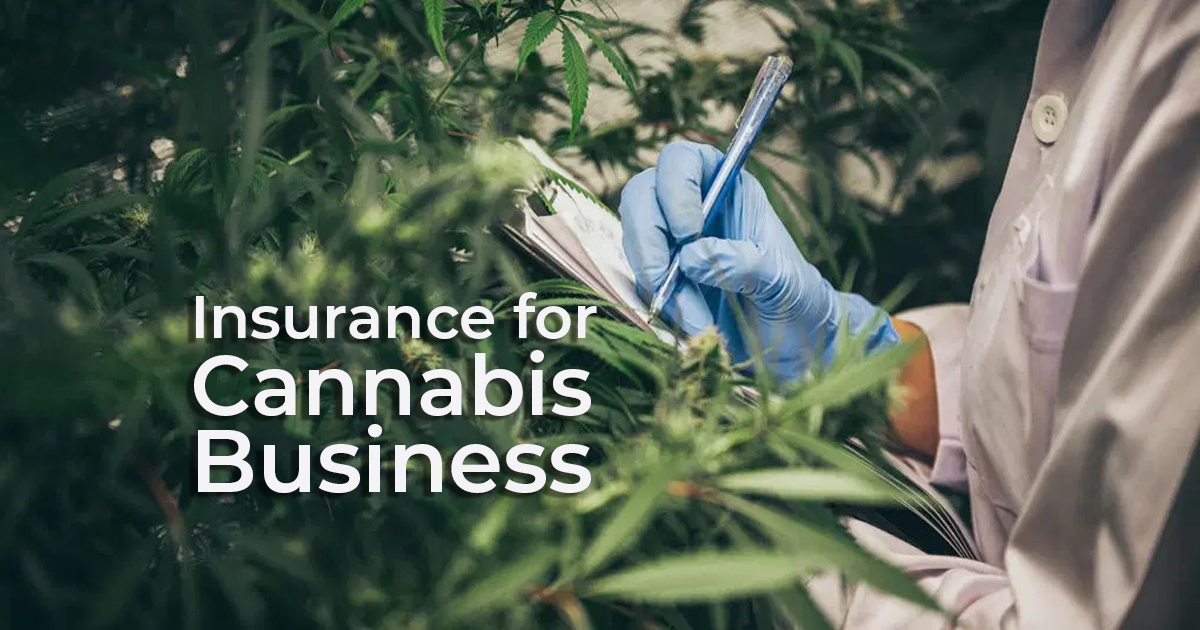
    Launching or operating a cannabis business in Massachusetts requires far more than simply obtaining a license from the Cannabis Control Commission (CCC). Every cannabis operator assumes significant financial, regulatory, and contractual risks, and having the right insurance program is a critical part of protecting your investment.

    Whether you’re opening your first dispensary, acquiring an existing cannabis business, building out a cultivation facility, or expanding into manufacturing or delivery, insurance should be viewed as part of your overall business strategy—not just another regulatory requirement.

    At ShieldPath Insurance Group, we specialize in helping Massachusetts cannabis businesses identify insurance solutions tailored to their operations and unique risk profile.

    Why Cannabis Insurance Is Different

    Cannabis businesses operate in one of the most heavily regulated industries in Massachusetts.

    Many traditional insurance carriers simply do not insure cannabis businesses, while those that do often have specialized underwriting requirements, policy forms, security expectations, and pricing.

    Every cannabis business is different. A retail dispensary has very different insurance needs than a cultivation facility, manufacturer, transporter, delivery operator, testing laboratory, or cannabis landlord.

    Working with an agency familiar with the cannabis industry can make the difference between simply obtaining a policy and obtaining the right coverage.

    General Liability Insurance

    General liability insurance is the foundation of nearly every commercial insurance program.

    It may provide protection if your business is sued for:

    • Customer slip-and-fall accidents
    • Damage to another person’s property
    • Personal injury claims
    • Advertising injury claims
    • Legal defense costs

    For example, if a customer slips inside your dispensary or a visitor is injured while touring your cultivation facility, general liability coverage may help protect your business.

    Commercial Property Insurance

    Most Massachusetts cannabis businesses invest hundreds of thousands—or even millions—of dollars into improvements and equipment.

    Commercial property insurance may help protect:

    • Buildings you own
    • Tenant improvements
    • Grow equipment
    • Extraction equipment
    • Furniture
    • Fixtures
    • Security systems
    • Business personal property
    • Certain inventory

    Cannabis facilities often contain expensive electrical systems, HVAC equipment, environmental controls, vaults, cameras, and access control systems. These assets should be carefully evaluated when determining appropriate coverage limits.

    Product Liability Insurance

    Product liability insurance is one of the most important coverages for cannabis businesses that manufacture, package, distribute, or sell cannabis products.

    If a customer alleges that a cannabis product caused injury or illness, product liability insurance may help pay legal defense costs and covered damages.

    As the Massachusetts market continues expanding into infused beverages, concentrates, edibles, and other manufactured products, product liability coverage becomes increasingly important.

    Workers’ Compensation Insurance

    Massachusetts generally requires employers to maintain workers’ compensation insurance for employees.

    Cannabis businesses face many workplace hazards, including:

    • Lifting injuries
    • Repetitive motion injuries
    • Manufacturing accidents
    • Cultivation injuries
    • Slips and falls

    Workers’ compensation helps protect both employees and employers following workplace injuries.

    Cyber Liability Insurance

    Modern cannabis businesses rely heavily on technology.

    Dispensaries and cannabis operators routinely maintain:

    • Point-of-sale systems
    • Employee records
    • Customer loyalty programs
    • Security systems
    • Vendor databases
    • Financial information

    Cyber liability insurance may help protect against:

    • Data breaches
    • Ransomware attacks
    • Cyber extortion
    • Notification expenses
    • Credit monitoring
    • Business interruption following a cyber event

    Cyber claims continue to rise across every industry, and cannabis businesses are no exception.

    Commercial Auto Insurance

    If your business owns vehicles used for deliveries, transportation, sales, management, or other commercial purposes, commercial auto insurance is generally necessary.

    Even businesses that do not perform cannabis deliveries may own company vehicles requiring commercial coverage.

    Directors & Officers (D&O) Insurance

    As cannabis businesses attract outside investors, D&O insurance becomes increasingly valuable.

    This coverage may help protect owners, officers, directors, and managers against claims alleging:

    • Mismanagement
    • Breach of fiduciary duty
    • Misrepresentation
    • Governance disputes

    Companies raising capital should strongly consider D&O insurance as part of their overall risk management strategy.

    Employment Practices Liability Insurance (EPLI)

    Cannabis businesses are employers—and employers face employment claims.

    EPLI may help protect against allegations involving:

    • Wrongful termination
    • Discrimination
    • Harassment
    • Retaliation
    • Failure to promote

    As cannabis businesses grow, employment-related claims become increasingly common.

    Umbrella Liability Insurance

    An umbrella policy provides additional liability limits above underlying policies.

    For businesses with:

    • Significant customer traffic
    • Multiple locations
    • Large payrolls
    • Valuable assets
    • Higher litigation exposure

    Umbrella coverage can provide an additional layer of protection beyond standard policy limits.

    Insurance Considerations for Massachusetts Cannabis Landlords

    One area that’s frequently overlooked involves landlords leasing property to cannabis operators.

    Many property owners assume their existing commercial building policy automatically covers a cannabis tenant. That’s often not the case.

    Cannabis landlords should carefully evaluate:

    • Property insurance
    • Premises liability
    • Lease requirements
    • Additional insured provisions
    • Waivers of subrogation
    • Business income coverage

    Obtaining insurance for buildings leased to cannabis operators frequently requires specialized markets familiar with the industry.

    Buying or Selling a Massachusetts Cannabis Business?

    Insurance should be part of the due diligence process.

    Before purchasing an existing cannabis business, buyers should review:

    • Current insurance policies
    • Loss history
    • Property condition
    • Existing claims
    • Lease insurance requirements
    • Contractual obligations
    • Equipment values

    Insurance issues discovered after closing can significantly affect the value of the transaction.

    Massachusetts Cannabis Licensing and Insurance

    Many cannabis operators focus heavily on licensing, financing, zoning, and build-out—but insurance deserves equal attention.

    Insurance often intersects with:

    • Commercial leases
    • Financing requirements
    • Investor expectations
    • Construction projects
    • Vendor contracts
    • Property ownership

    Planning insurance early can help avoid delays during expansion and business operations.

    Every Cannabis Business Is Different

    No two cannabis businesses have identical insurance needs.

    Coverage recommendations often depend on:

    • License type
    • Business operations
    • Annual revenue
    • Payroll
    • Property ownership
    • Equipment values
    • Inventory
    • Security systems
    • Lease obligations
    • Investor requirements
    • Financing requirements

    A dispensary should not necessarily carry the same insurance program as a cultivator, manufacturer, transporter, testing laboratory, or cannabis landlord.

    Why Work with ShieldPath Insurance Group?

    Cannabis insurance isn’t just another commercial insurance product.

    At ShieldPath Insurance Group, we combine commercial insurance experience with years of experience working in the Massachusetts cannabis industry.

    Our founder has represented cannabis businesses throughout Massachusetts on licensing, regulatory, transactional, and operational matters, providing a unique understanding of the risks cannabis operators face beyond simply purchasing an insurance policy.

    Whether you’re:

    • Opening your first dispensary
    • Purchasing an existing cannabis business
    • Building out a cultivation facility
    • Leasing property to a cannabis tenant
    • Expanding into manufacturing or delivery
    • Looking to improve your current insurance program

    we can help you evaluate coverage options designed for your business.


    Request a Cannabis Insurance Quote

    If you’re looking for Massachusetts cannabis business insurance, dispensary insurance, cultivation insurance, manufacturer insurance, or insurance for a commercial property leased to a cannabis operator, we’d be happy to help.

    Contact ShieldPath Insurance Group today to discuss your business and obtain a customized insurance proposal.

Twenty Twenty-Five

Designed with WordPress