
ShieldPath Insurance Group
Vacant Property Insurance
Protect vacant homes and buildings during turnovers, renovations, or while a property is off-market—with coverage tailored for landlords, property managers, and real estate investors.
Why vacant properties need specialized coverage
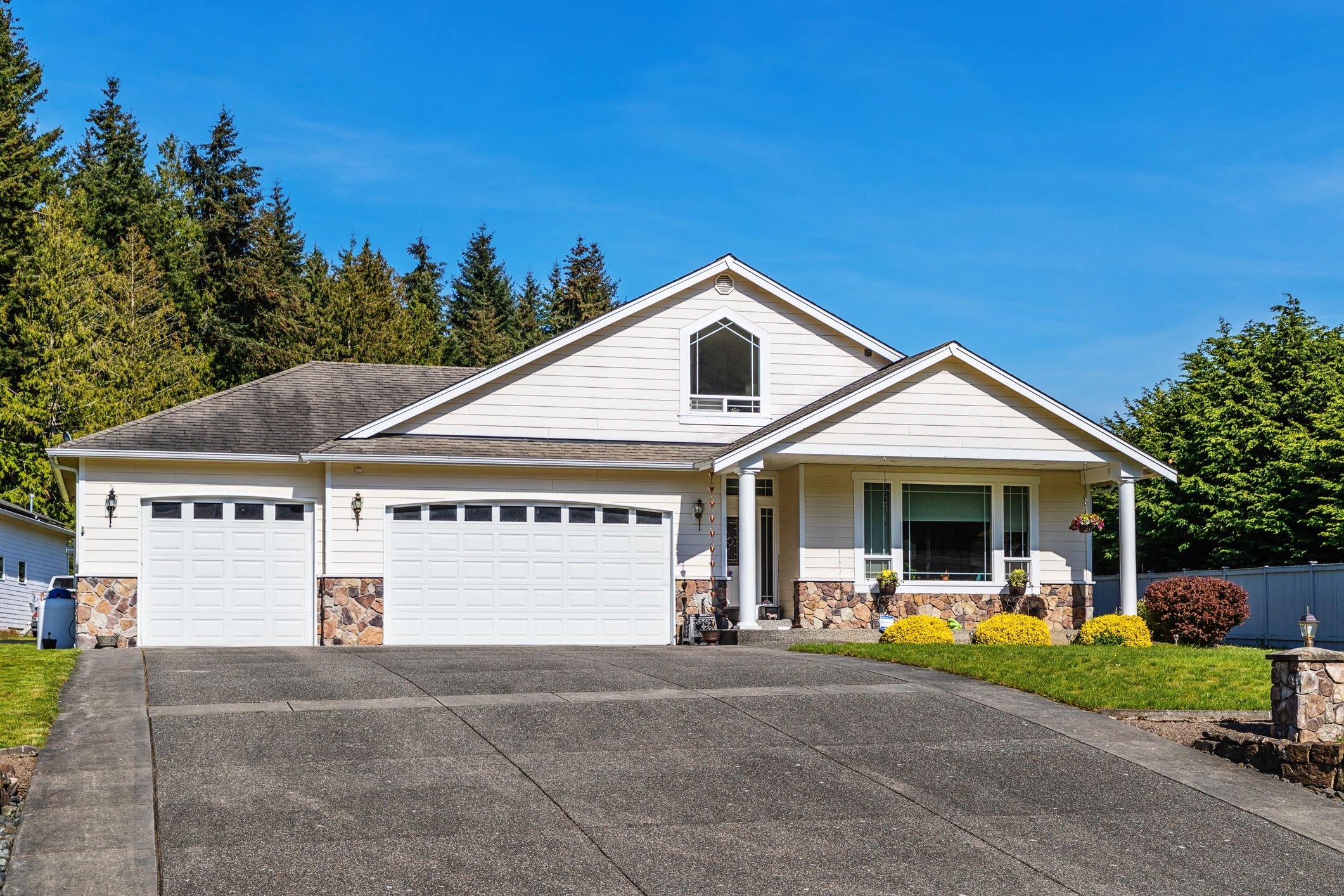
Vacancy changes the risk profile
Many standard landlord policies restrict or exclude losses once a building is unoccupied for a set number of days.
Protection during transitions
Coverage can help address common vacancy exposures such as vandalism, theft, and certain types of water damage.
Flexible options for your plan
Whether you are between tenants, renovating, or holding a property for sale, we help align coverage terms with your timeline and occupancy status.
Coverage overview
What vacant property insurance can include
Every carrier and policy form is different. We will review the property details and your vacancy timeline to recommend options that fit your situation.
Property damage coverage
Helps protect the building against covered losses while it is vacant (subject to policy terms, conditions, and exclusions).
Liability protection
Helps address third-party injury or property damage claims arising from the premises—even when the building is unoccupied.
Vandalism and theft options
Vacant buildings can be targeted. We will help you evaluate endorsements and limits appropriate for your location and security measures.
Renovation-friendly considerations
If work is underway, we can discuss whether vacant property coverage, builders risk, or a combination is more appropriate for the project.
Information we typically need for a vacant property quote
Providing complete details helps us place coverage quickly and avoid surprises at binding.
Be ready to share the property address, construction type, and the reason for vacancy. We may also ask about security measures, utilities, and any renovation scope.
10–30
Minutes to submit a complete request (typical)

Vacant property insurance FAQs
Common questions from landlords, property managers, and real estate investors.
When is a property considered “vacant”?
Definitions vary by carrier, but vacancy is often based on whether the building is unoccupied and not being used as intended for a certain number of consecutive days.
Will my landlord policy cover a vacant building?
Some policies restrict coverage after a vacancy period. We will review your current policy and help you determine whether a vacant property policy or endorsement is needed.
Can I get coverage if I am renovating?
Often yes, but the right solution depends on the scope of work. For larger renovations, builders risk insurance may be more appropriate.
Do I need proof of security measures?
Carriers may ask about locks, alarms, cameras, boarded windows, or regular inspections. Strong risk controls can improve eligibility and pricing.
How fast can I get a quote?
Once we have complete property details and your vacancy timeline, we can typically request indications quickly and follow up with options.
Can you cover multiple vacant properties?
Yes. If you have a portfolio, we can discuss scheduling properties or structuring coverage to match your investment strategy.
Ready to protect your vacant property?
Get a fast, professional coverage review
Tell us about the property, vacancy timeline, and any renovation plans. ShieldPath Insurance Group will respond with next steps and quote options.