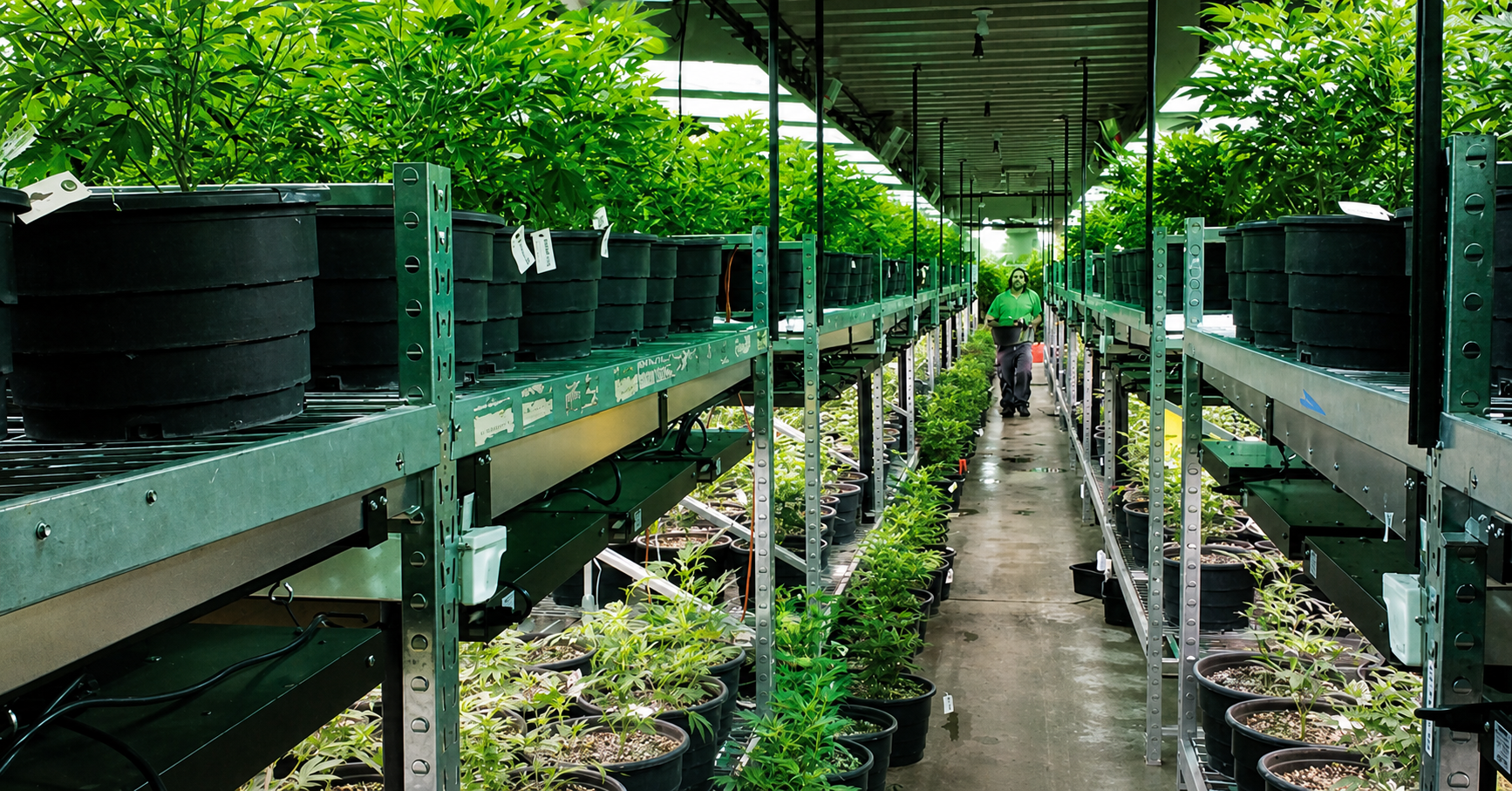
If you’re considering leasing commercial property to a licensed cannabis business in Massachusetts, insurance deserves careful attention long before the lease is signed.
Many property owners assume their existing commercial building insurance will automatically continue once a cannabis tenant moves in. In reality, leasing to a cannabis operator can affect underwriting, available insurance markets, policy terms, and even whether your current carrier is willing to continue coverage.
Whether you’re leasing to a retail dispensary, cultivation facility, manufacturer, testing laboratory, transporter, or delivery operator, understanding your insurance options can help protect one of your largest investments.
At ShieldPath Insurance Group, we help Massachusetts property owners evaluate insurance solutions for buildings leased to cannabis businesses and work with carriers familiar with this specialized market.
➧ Does Leasing to a Cannabis Tenant Affect My Insurance?
Often, yes.
Many traditional commercial property insurers either:
- Decline properties leased to cannabis businesses;
- Restrict certain types of cannabis operations; or
- Require additional underwriting before offering coverage.
For that reason, landlords should notify their insurance professional before signing a lease with a cannabis tenant. Waiting until after the lease is executed—or worse, after a claim occurs—can create unnecessary complications.
➧ Can I Keep My Existing Commercial Property Policy?
Sometimes.
If your current insurer is comfortable with cannabis occupancy, your existing policy may continue with little or no change.
However, many property owners ultimately obtain coverage through specialty insurance markets that regularly insure buildings occupied by regulated cannabis businesses. Every carrier has different underwriting guidelines, so it’s important to evaluate your options before assuming your current policy will remain in place.
➧ What Type of Insurance Does a Cannabis Landlord Need?
While every property is different, landlords commonly consider:
Commercial Property Insurance
Property insurance helps protect the building itself against covered causes of loss.
Coverage may include:
- The building
- Permanent fixtures
- Building systems
- Certain landlord-owned improvements
- Losses caused by covered perils such as fire or wind
The appropriate building limit should reflect the property’s replacement cost rather than simply its purchase price or market value.
Commercial General Liability
Liability insurance helps protect property owners if they are alleged to be legally responsible for bodily injury or property damage.
For example, if a visitor slips in a common area maintained by the landlord, general liability insurance may help respond to the claim, subject to policy terms.
Business Income Coverage
If a covered loss prevents the building from being rented, business income coverage may help replace lost rental income while repairs are completed. For investment property owners, this can be one of the most valuable components of a commercial property policy.
➧ Does the Tenant’s Insurance Protect Me?
Not necessarily.
A cannabis operator should maintain its own insurance program covering its business operations, inventory, equipment, employees, and liability.
However, the tenant’s policy generally does not replace the landlord’s need for building insurance.
Instead, the landlord and tenant typically maintain separate insurance programs that complement one another.
➧ Lease Provisions That Affect Insurance
Commercial cannabis leases frequently contain insurance provisions that deserve careful review.
These may include:
- Additional insured requirements
- Waivers of subrogation
- Primary and noncontributory insurance
- Minimum liability limits
- Property insurance obligations
- Certificates of insurance
- Notice of cancellation requirements
Understanding these provisions before signing the lease can help avoid disputes later.
➧ What Is an Additional Insured?
Many commercial leases require one party to name the other as an additional insured under certain liability policies.
Being named as an additional insured may provide limited liability protection under another party’s policy for covered claims, depending on the policy language and endorsement.
Whether this requirement applies—and how it should be structured—depends on the specific lease and insurance policies involved.
➧ What Is a Waiver of Subrogation?
A waiver of subrogation is another common lease requirement.
Normally, after an insurer pays a claim, it may seek reimbursement from another party responsible for the loss.
A waiver of subrogation generally provides that the insurer will waive certain recovery rights against specified parties after paying a covered claim.
These provisions frequently appear in sophisticated commercial leases, including those involving cannabis businesses.
➧ Does It Matter What Type of Cannabis Business Is Leasing the Property?
Yes.
Insurance considerations often differ depending on whether the tenant operates:
- A retail dispensary
- A cultivation facility
- A manufacturing facility
- A delivery operator
- A transporter
- A testing laboratory
Different operations present different underwriting considerations, security requirements, and property exposures.
➧ Should the Landlord Be Concerned About Fire Risk?
Cannabis facilities often contain specialized electrical systems, security equipment, HVAC systems, and tenant improvements.
Many insurers will evaluate:
- Building age
- Roof condition
- Electrical systems
- Fire protection
- Construction type
- Occupancy
- Security measures
These are largely the same factors considered for other commercial buildings, although certain cannabis operations may receive additional underwriting review.
➧ Working With Carriers That Understand Cannabis
One of the biggest challenges facing landlords is finding insurers that are comfortable writing buildings occupied by cannabis businesses.
Not every insurance company participates in this market.
Working with an agency that regularly evaluates cannabis insurance options can help property owners identify carriers that understand the industry and offer appropriate coverage.
➧ Why Work With ShieldPath Insurance Group?
Cannabis real estate presents unique insurance challenges that extend beyond a standard commercial property policy.
At ShieldPath Insurance Group, we understand both the insurance and legal issues that often arise when leasing property to cannabis businesses.
Our founder has represented Massachusetts cannabis operators and property owners in licensing, commercial leasing, regulatory compliance, and business transactions. That experience provides valuable insight into the insurance considerations that frequently accompany cannabis real estate.
Whether you’re leasing to your first dispensary or already own multiple cannabis-occupied properties, we can help you evaluate insurance options designed for your investment.
➧ Request a Quote
If you own—or are considering purchasing—a commercial property that will be leased to a cannabis business, we’d be happy to discuss your insurance needs.
Contact ShieldPath Insurance Group today to explore commercial property insurance solutions for Massachusetts cannabis landlords.